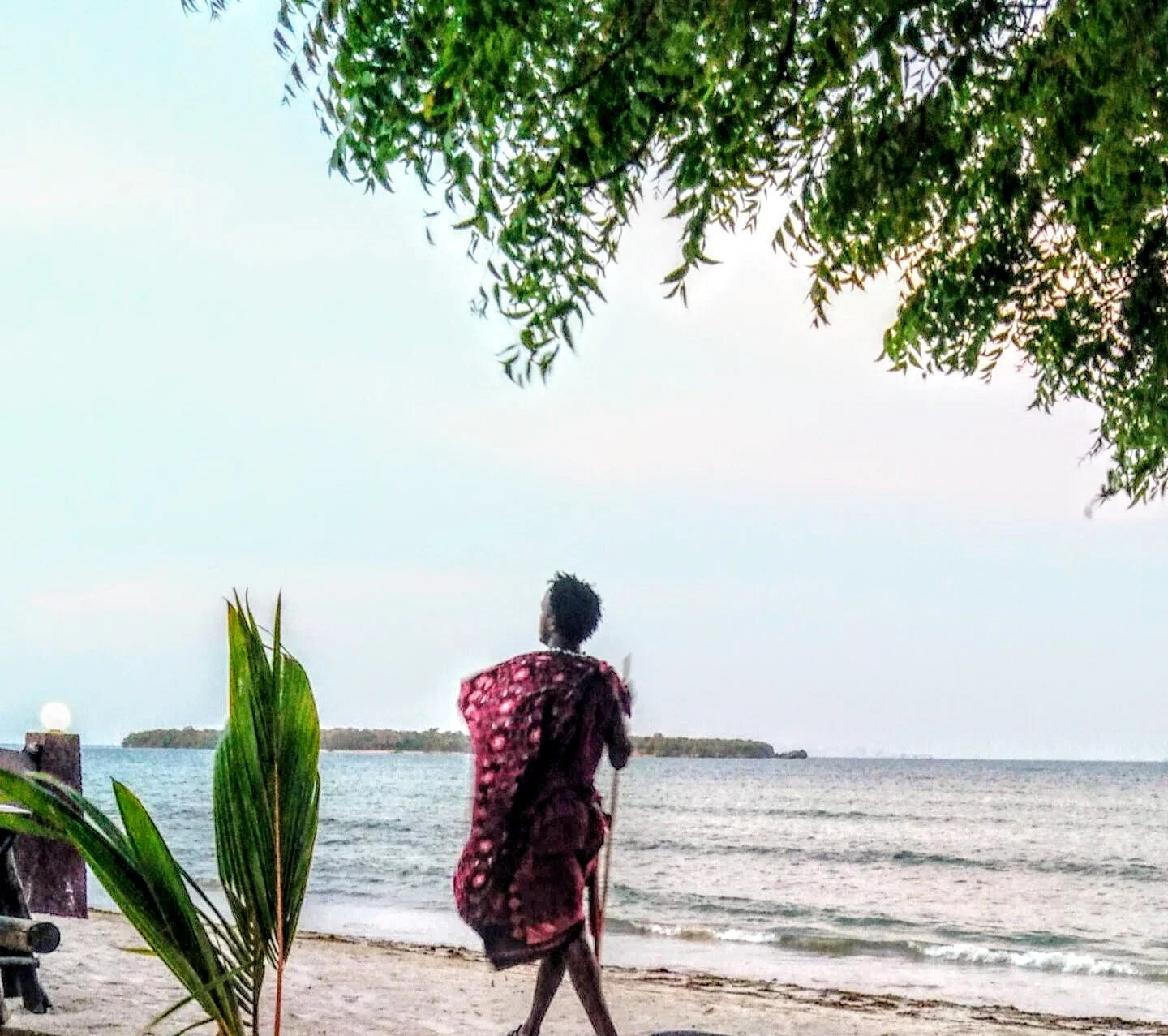
Happy Independence Day Tanzania!
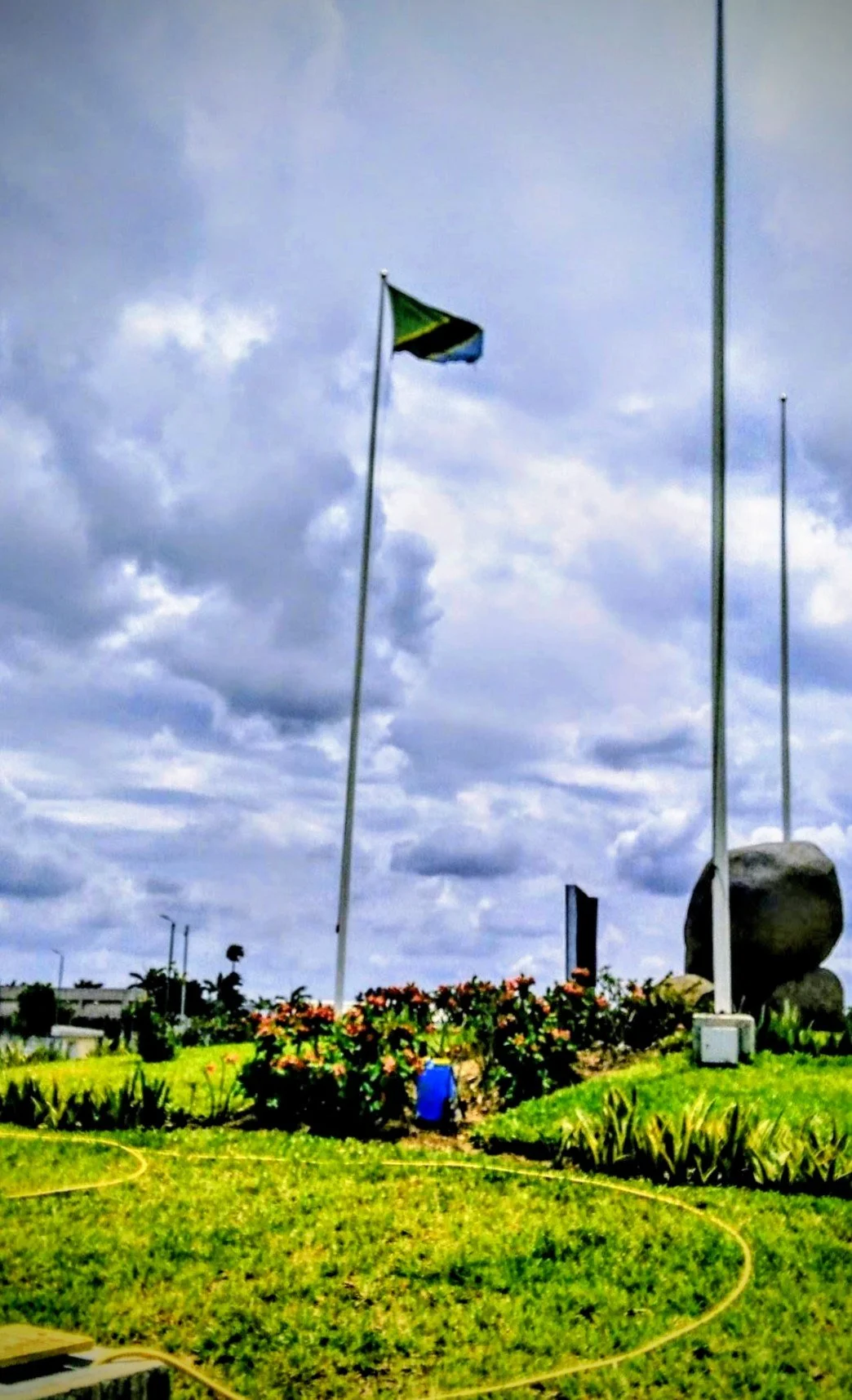
Today we honor Tanzania’s Independence Day — a moment to celebrate freedom, resilience, and the shared promise of a sovereign future.
This day marks the unwavering spirit of a people who overcame colonial rule to reclaim their destiny.
Tanzanians will reflect on history, remember leaders and everyday citizens who made sacrifices, and renew commitments to progress, unity, and shared responsibility for a better future.
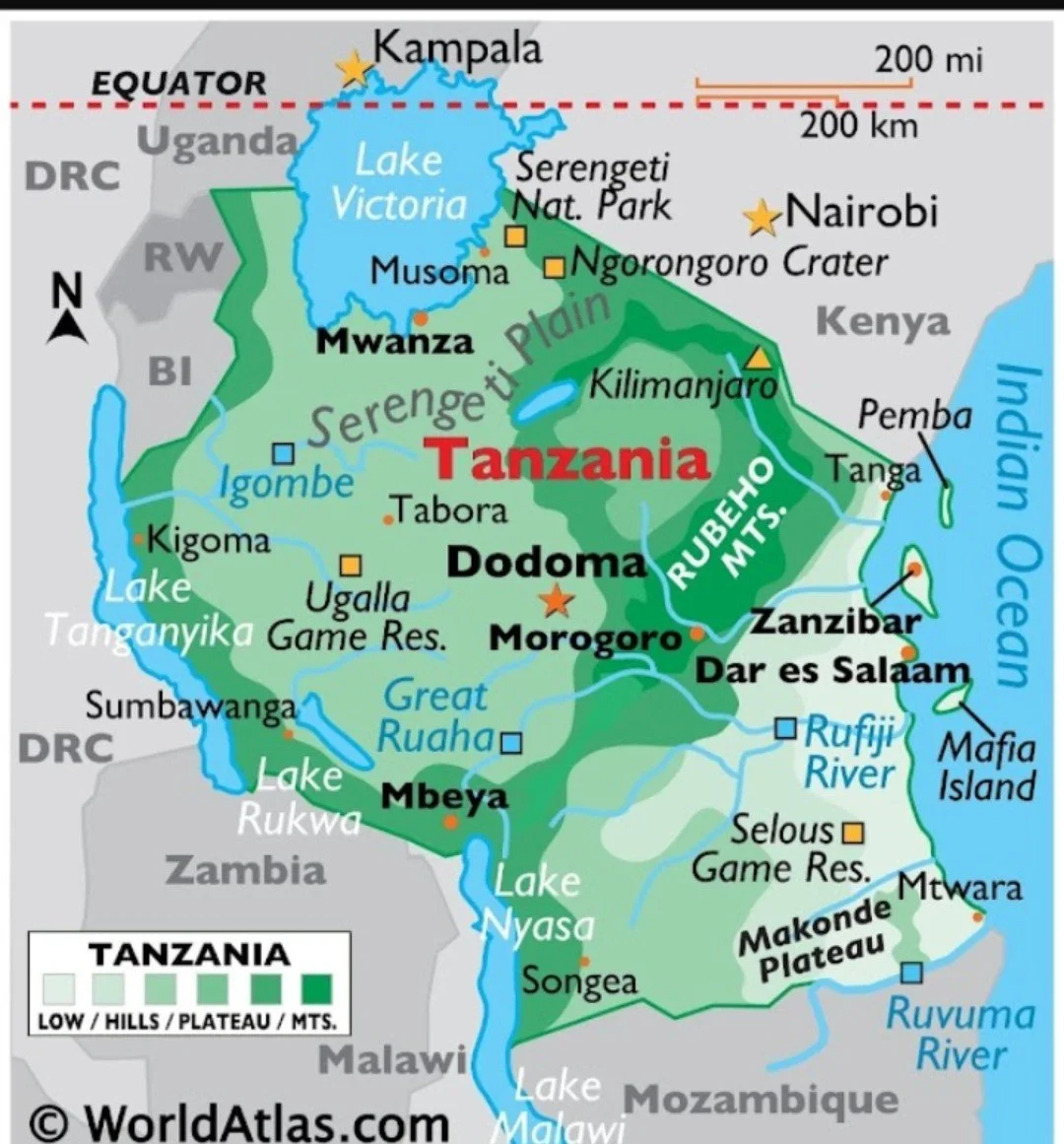
History of Tanzania
Tanzania’s history began with ancient hunter-gatherer and farming peoples, including Cushitic and Bantu-speaking groups, and long-distance traders along the coast.
From the 7th century onward, Arab and Persian traders helped create Swahili coastal city-states that mixed African, Arab, and Persian cultures.
Colonized Tanzania
Tanzania’s colonial history is a layered story of shifting foreign control, economic extraction, and evolving resistance that shaped the nation’s modern identity.
In the late 19th century, mainland Tanzania (then Tanganyika) became part of German East Africa, where colonial rule imposed cash-crop economies, forced labor, and infrastructure projects designed to serve European interests.
After Germany’s defeat in World War I, the League of Nations mandated the territory to Britain; British administration continued and expanded plantation, agriculture, and mining while introducing indirect rule and administrative reforms.
Zanzibar followed a different colonial path. Once a lively Swahili cultural hub and center of the Indian Ocean slave and spice trades, it became a British protectorate in the late 1800’s, keeping its sultan but coming under European economic and political control.
Colonial policies disrupted traditional structures, deepened economic inequalities, and fostered new social classes. They also provoked nationalist movements and demands for independence.
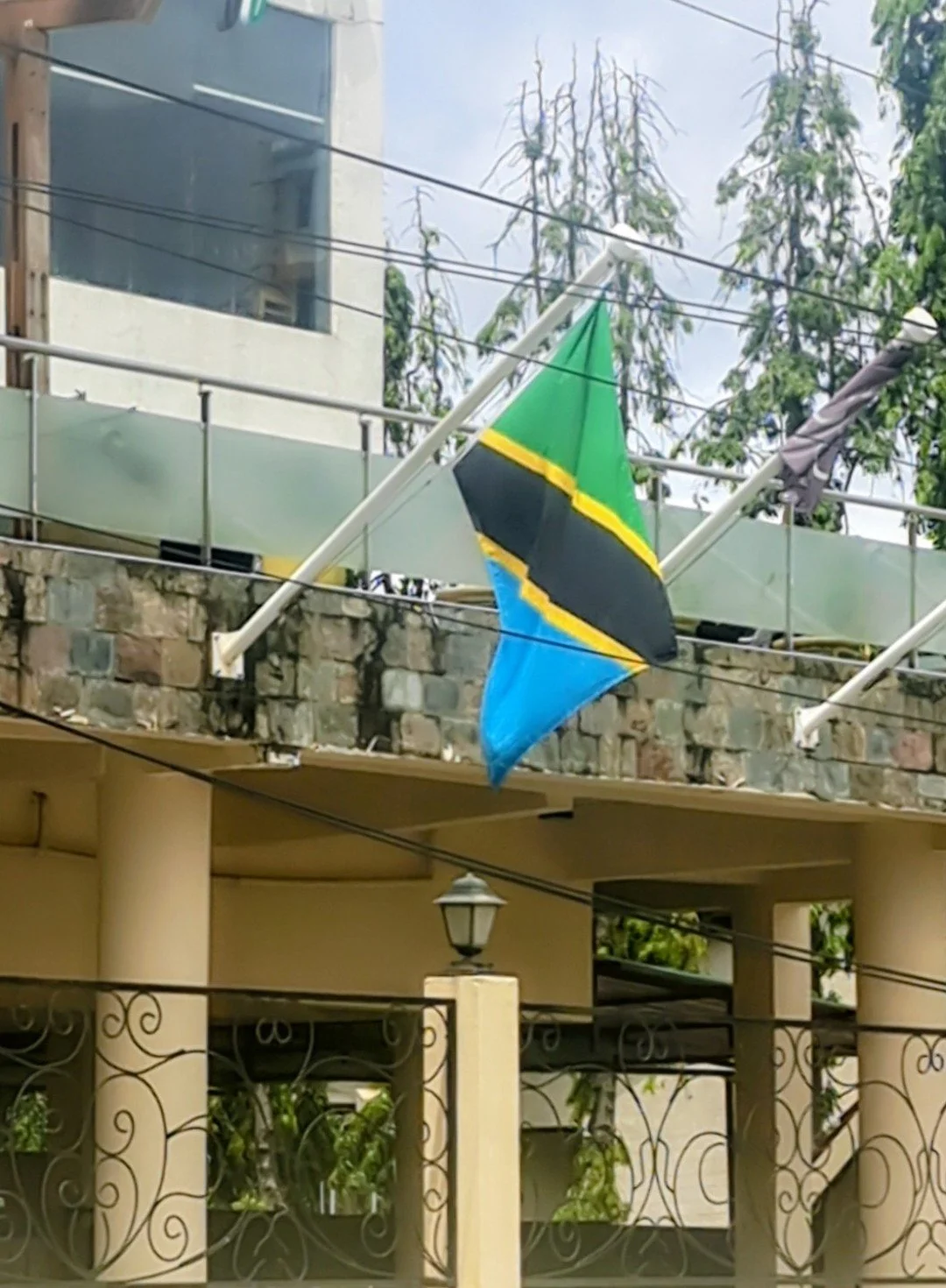
In the mid-20th century, Tanganyika achieved independence in 1961 under the leadership of Julius Nyerere, who promoted African socialism and national unity.
Zanzibar’s revolution in 1964 overthrew the sultanate, and later that year Tanganyika and Zanzibar united to form the United Republic of Tanzania.
Colonial rules still shape land ownership, language (English and Kiswahili), laws, schools, and the economy. After independence, Tanzania tried to heal divisions and build unity, while global and local challenges kept shaping its progress.
***Despite recent election protests, and the cancellation of this years independence ceremony, Tanzania continues to maintain a global reputation as one of the most peaceful and stable countries in the region.

*How Tanzanians Usually celebrate Independence Day
Common observances:
Flag-raising ceremonies and parades in cities and towns.
Cultural performances showcasing traditional music, dance, and dress.
Speeches by national and local leaders emphasizing unity, development, and civic responsibility.
Educational programs in schools highlighting the nation’s history and the meaning of independence.
Community service projects and charitable events that strengthen social ties.
Themes often emphasized:
National unity across diverse ethnic and regional identities.
Economic development and opportunities for all citizens.
Preservation of cultural heritage alongside modernization.
Commitment to democratic institutions, human rights, and the rule of law.
Hope for future generations to live in peace and prosperity.
On this Independence Day, we honor Tanzania’s past, and look forward with purpose. I know that Tanzania will continue to strive to build a Tanzania that fulfills the aspirations of its people.