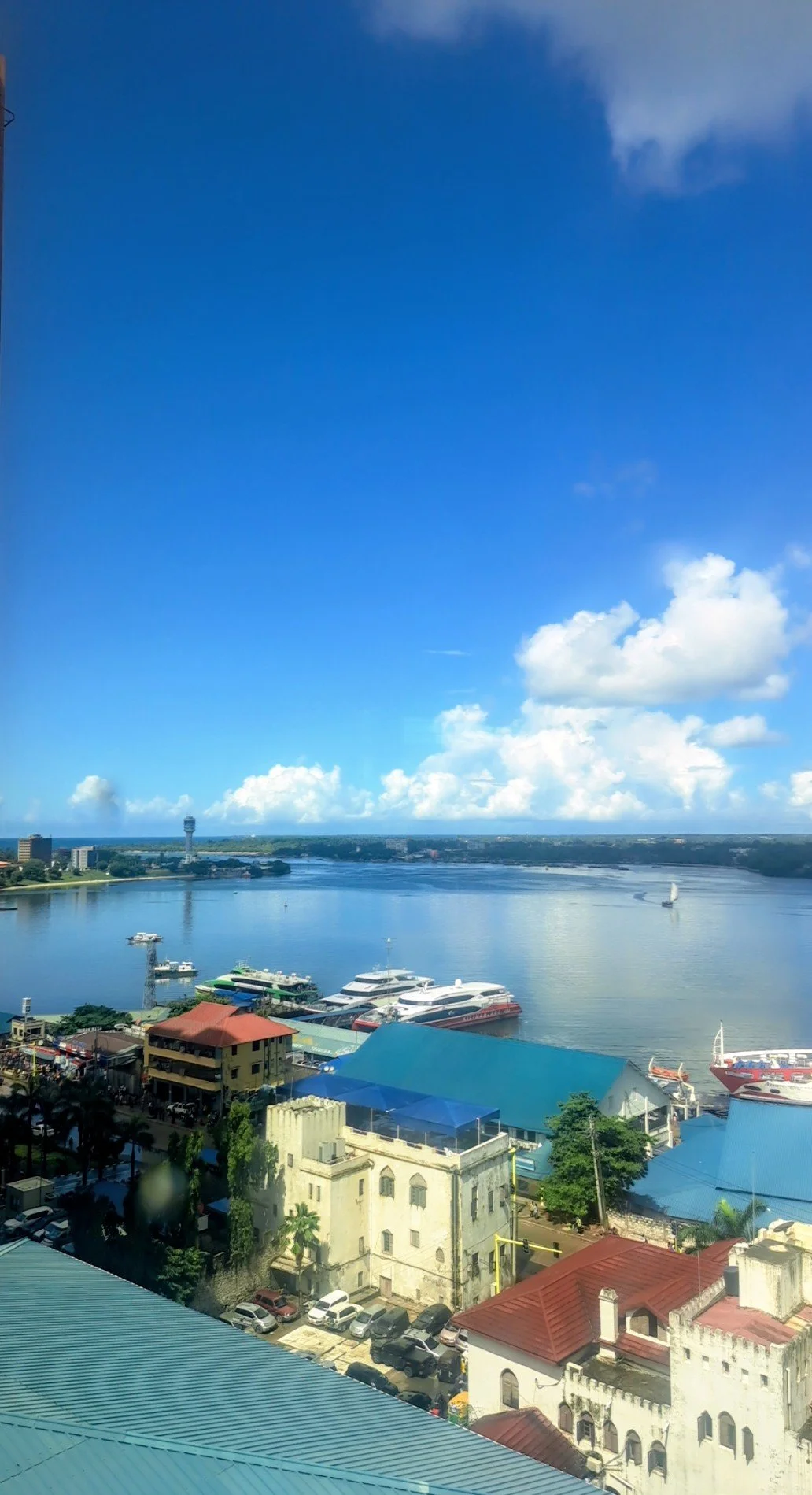
Differences Between Dar es Salaam and Zanzibar
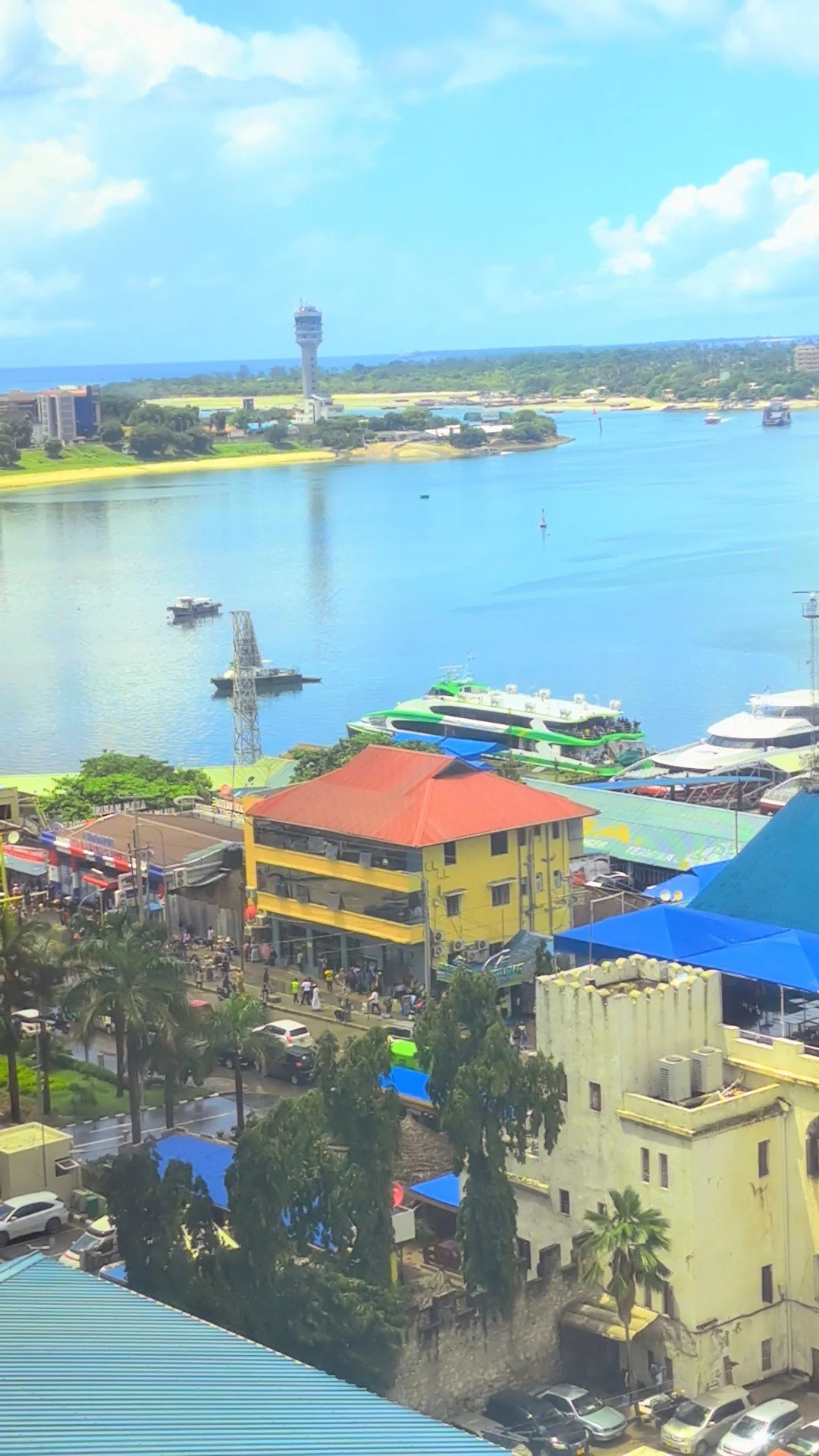
Dar es Salaam and Zanzibar offer distinct experiences shaped by geography, history, and pace.
Dar es Salaam
Mainland commercial hub: Tanzania’s largest city and economic center, with busy streets, modern offices, ports, and a broad mix of neighborhoods.
Urban, fast-moving atmosphere: Traffic, markets, malls, restaurants, and nightlife reflect a metropolitan rhythm.
Cultural diversity: A cosmopolitan population with influences from African, Indian, Arab, and international communities; many institutions, universities, and embassies.
Practical gateway: Main transport hub for business and domestic travel, including the main international airport and ferry connections to islands.
Modern infrastructure mixed with informal settlements: New developments and high-rises sit alongside residential areas and bustling informal markets like Kariakoo.
Zanzibar
Island, historic charm: A smaller, slower-paced island famous for Old Stone Town’s winding alleys, carved doors, and Swahili-Arab architecture.
Tourism and culture focus: Economy leans heavily on tourism, spice tourism, and heritage; rich traditions, music, and cuisine shaped by centuries of trade.
Coastal and beach landscapes: White-sand beaches, coral reefs, and clear waters ideal for snorkeling, diving, and relaxation.
Distinct political and cultural identity: Semi-autonomous region with its own government institutions and a strong Swahili-Islamic cultural presence.
Smaller scale daily life: Less traffic and a more relaxed tempo compared with Dar es Salaam, with local markets, boat traffic, and village life.
In short: Dar es Salaam is the bustling mainland metropolis and commercial gateway; Zanzibar is the historic, slower-paced island destination known for beaches, heritage, and a distinct Swahili-Islamic culture.
Political Leadership
Dar es Salaam and Zanzibar operate under different political leadership and governmental structures.
The President of the United Republic handles national matters such as foreign policy, defense, and union affairs, while Zanzibar retains its own president and Revolutionary Government responsible for internal island issues
Tanzania appears to have two presidents because of a distinction between the national president of the United Republic of Tanzania and the president of the semi-autonomous Zanzibar archipelago; Tanzania is a union of the mainland territory (formerly Tanganyika) and the islands of Zanzibar, each with its own government structures.
This dual leadership comes from a 1964 union that kept Zanzibar in charge of some local matters while creating one country with a central president for national affairs.
Dar es Salaam
As Tanzania’s largest city and economic hub, Dar es Salaaam is governed by national authorities and local municipal administrations under the United Republic of Tanzania.
Samia Suluhu Hassan is the President of the United Republic of Tanzania, having assumed office in March 2021 following the death of her predecessor; she is the country’s first female head of state and a member of the ruling Chama Cha Mapinduzi party.
Born on the island of Zanzibar, she previously served as Vice President from 2015 to 2021 and held several ministerial and diplomatic roles, giving her extensive experience in governance and regional affairs.
President Suluhu has emphasized economic stability, investment attraction, and infrastructure development, while also taking a more pragmatic engagement with international partners and a moderated domestic policy tone compared with her predecessor.
Zanzibar
Zanzibar, a group of semi-autonomous islands with a distinct culture and history, maintains its own president and Revolutionary Government that handles many internal affairs—such as health, education, some economic policies, and local law—while the union government in Dodoma oversees union matters like foreign policy, defense, and finance.
This dual system reflects Zanzibar’s distinct historical and cultural identity within the sovereign framework of Tanzania, requiring coordination between the two governments on shared issues.
As of December 11, 2025, the President of Zanzibar is Hussein Ali Mwinyi, who has held the office since November 2020; he is a member of the Chama Cha Mapinduzi (CCM) party and previously served in various national government roles, including as a minister, before winning the Zanzibar presidency on a platform emphasizing economic development, infrastructure improvement, and strengthening ties with the mainland government of Tanzania.
In conclusion, the distinction between Dar es Salaam and Zanzibar is defined by contrasting roles and identities:
Dar es Salaam serves as Tanzania’s dynamic commercial and administrative hub with rapid urban growth, diverse economic activity, and modern infrastructure, while Zanzibar preserves a distinctive historical and cultural identity rooted in its Swahili-Arab heritage, coastal geography, and tourism-driven economy.
These differences shape everyday life, governance, and development priorities—Dar’s metropolitan pressures and economic diversification versus Zanzibar’s emphasis on cultural conservation, island ecology, and autonomous political arrangements—yet both remain integral parts of the Tanzanian nation, connected by shared language, history, and economic interdependence.